Executive Summary
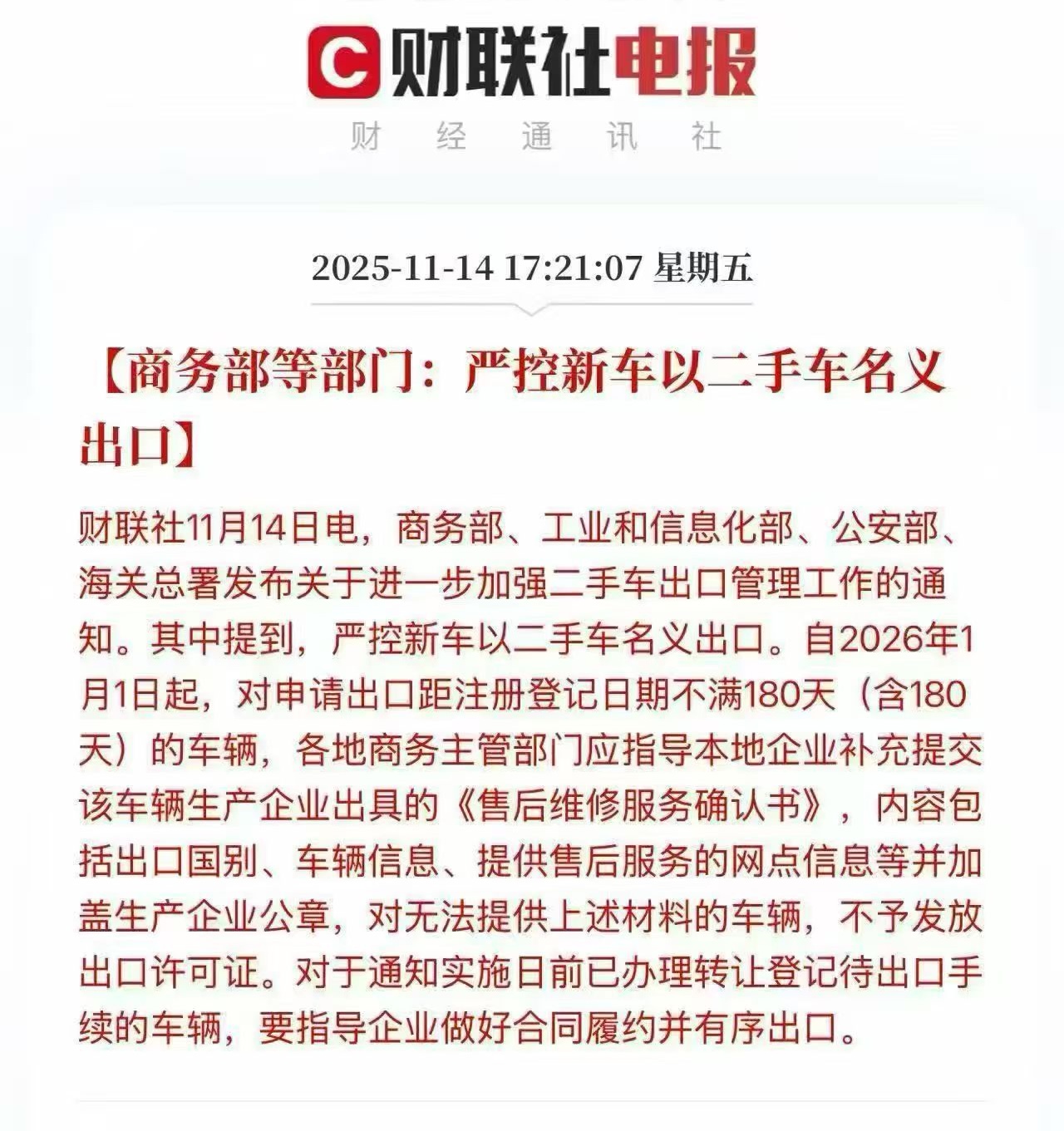
China's automobile export sector, a cornerstone of its manufacturing prowess, is undergoing a transformative regulatory shift effective January 1, 2026. This policy mandates a six-month domestic registration period for new vehicles prior to export, aiming to enhance quality assurance, regulatory compliance, and market sustainability. For automobile dealers—domestic and international alike—this change represents both challenges and strategic opportunities. This article provides a comprehensive analysis of the policy's implications, drawing on industry insights to guide stakeholders toward adaptive strategies. By integrating perspectives from established exporters like Beniao Cars Shop, we outline pathways for resilient operations in the evolving global auto trade landscape.
Introduction: The Global Significance of China's Auto Export Policy
China has solidified its position as the world's leading automobile exporter, with shipments of electric vehicles (EVs), sedans, SUVs, and hybrids reaching markets across Africa, the Middle East, Southeast Asia, Eastern Europe, and South America. In 2025 alone, exports surpassed 5 million units, underscoring the sector's economic weight. However, the introduction of a new export regulation on January 1, 2026, signals a deliberate pivot toward structured, high-integrity trade practices.
This policy is more than administrative reform; it is a strategic framework designed to safeguard China's automotive reputation on the global stage. For dealers, it necessitates a reevaluation of sourcing, inventory, and partnership models. As we explore its facets, consider this: in an industry valued at over $3 trillion globally, regulatory alignment can determine market leadership or obsolescence.
![used car]()
Overview of the New Automobile Export Policy
Effective January 1, 2026, China's Ministry of Commerce and General Administration of Customs have enacted a policy requiring all new vehicles destined for export to undergo a minimum six-month period of domestic registration. This measure applies uniformly to passenger vehicles, commercial fleets, and specialty models, ensuring alignment with international standards for vehicle traceability and performance validation.
Core Provisions: The Six-Month Registration Mandate
Under the regulation, vehicles classified as "brand-new" must be formally registered within China's domestic vehicle management system for at least 180 days before export eligibility. This includes logging initial mileage, conducting mandatory inspections, and maintaining service records. Exemptions are limited to pre-approved diplomatic or humanitarian shipments, emphasizing the policy's focus on commercial integrity.
Rationale Behind the Policy: Quality, Compliance, and Sustainability
The directive addresses longstanding concerns over premature exports that have occasionally led to quality discrepancies abroad. By enforcing a maturation period, China aims to mitigate risks such as warranty disputes and environmental non-compliance. Analogous to a rigorous certification process in pharmaceuticals, this step fosters trust among international buyers, potentially elevating Chinese brands' premium positioning. Official statements from regulatory bodies highlight goals of curbing "disorderly competition" and promoting eco-friendly practices, aligning with national carbon neutrality targets by 2060.
Reshaping the Global Auto Export Ecosystem
Far from contracting the market, this policy refines it, channeling resources toward verifiable, high-value exports. Projections from the China Association of Automobile Manufacturers (CAAM) suggest a 10-15% stabilization in annual export volumes by 2027, with a marked uptick in certified used and quasi-new segments.
Projected Shifts in Export Volumes and Composition
Initial data indicates a temporary dip in brand-new vehicle shipments—estimated at 20% in Q1 2026—as exporters adjust. However, this will likely yield to sustained growth in compliant categories. The policy incentivizes diversification, with EVs comprising 40% of projected exports, driven by brands like BYD and NIO adapting swiftly to the framework.
Elevation of Export Quality Standards
By prioritizing vehicles with documented domestic usage, the regulation elevates baseline quality. Overseas markets will see fewer "zero-kilometer" imports prone to teething issues, replaced by rigorously tested units. This shift mirrors quality revolutions in sectors like electronics, where pre-market validation has bolstered brand loyalty and reduced recall rates by up to 30%.
Implications for Domestic Automobile Dealers in China
Chinese dealers, integral to the export supply chain, face immediate operational recalibrations. Those with robust compliance infrastructures stand to gain, while others must invest in transitional capabilities.
Compliance Burdens on Small and Medium-Sized Enterprises (SMEs)
SMEs, which account for 60% of export facilitation, encounter heightened administrative demands, including digital tracking systems for registration timelines. Non-compliance risks include fines up to 500,000 RMB per violation and export bans, underscoring the need for proactive audits. Larger conglomerates, conversely, leverage economies of scale to absorb these costs.
![used car china]()
Evolving Inventory and Logistics Strategies
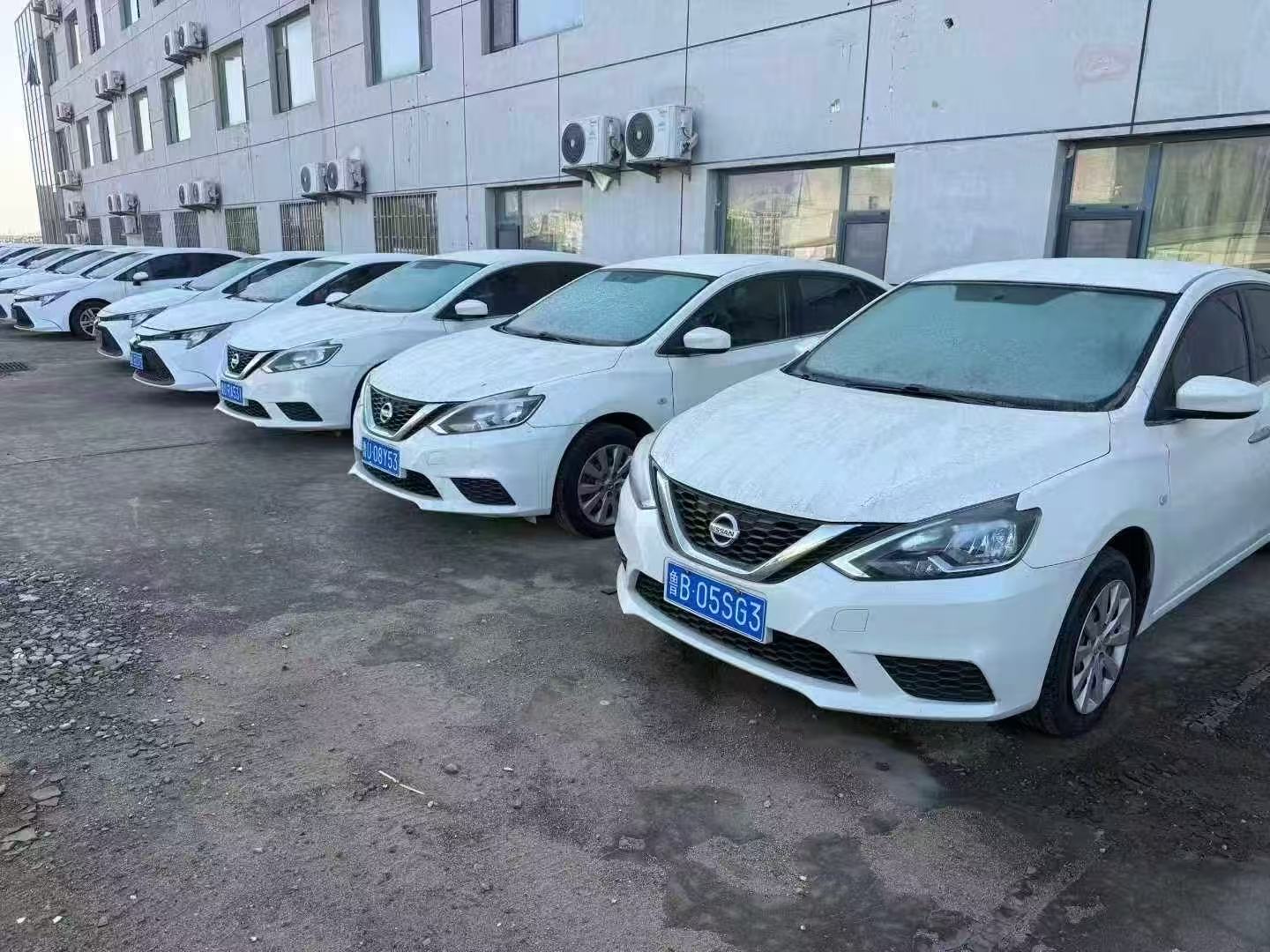
Dealers are pivoting toward "holding patterns," retaining vehicles for demo programs or short-term leasing to fulfill the six-month threshold. This demands advanced inventory software and expanded storage—potentially increasing holding costs by 15-20%. Yet, it also opens revenue streams via domestic rentals, transforming potential liabilities into assets.
Strategic Considerations for International Automobile Dealers
Overseas dealers reliant on Chinese imports must refine procurement protocols to capitalize on emerging supply dynamics. The policy's predictability fosters long-term planning, mitigating volatility in an otherwise fluctuating market.
Adjustments in Vehicle Sourcing and Availability
Access to immediate brand-new imports will contract, but the influx of quasi-new vehicles—those with under 5,000 km and full warranties—promises volume offsets. Dealers in emerging markets, such as those in Latin America, report early interest in these options, citing 10-25% cost savings over virgin stock.
Navigating Pricing Dynamics and Lead Times
Expect pricing stabilization, with quasi-new models trading at 80-90% of new-vehicle rates. Lead times, previously erratic at 4-8 weeks, will standardize to 6-10 weeks post-registration, enabling precise forecasting. Forward contracts and hedging against currency fluctuations become essential tools in this recalibrated environment.
The Rise of FOB as the Optimal Trade Modality
In response to the policy's emphasis on domestic oversight, Free On Board (FOB) terms have emerged as the gold standard, streamlining responsibilities and enhancing transparency.
Advantages of FOB in a Regulated Export Framework
FOB delineates clear boundaries: Chinese exporters handle inland logistics, registration compliance, and port loading, while importers assume ocean freight risks. This model reduces disputes by 25%, per International Chamber of Commerce data, and aligns seamlessly with the six-month mandate, minimizing exposure to regulatory delays.
Risk Mitigation for Global Importers
International dealers benefit from auditable documentation trails, including export certificates and mileage logs, which expedite customs clearance. In high-tariff regions like the EU, FOB's cost certainty aids in tariff modeling, shielding margins from unforeseen escalations.
Spotlight on Beniao Cars Shop: A Compliant Export Partner
Amid these shifts, Beniao Cars Shop exemplifies adaptive excellence, offering a diversified portfolio tailored to the new regulatory landscape. As a licensed exporter with nationwide operations, Beniao bridges domestic compliance and international demand.
Comprehensive Offerings: New, Used, and Quasi-New Vehicles
Beniao maintains a balanced inventory of new vehicles poised for registration cycles, alongside a robust used-car segment exceeding 2,000 units annually. Their quasi-new lineup—primarily low-mileage demos—directly addresses policy requirements, ensuring 100% export readiness.
Strategic Alliances with Premier Brands
Through exclusive partnerships, Beniao sources from industry leaders: Zeekr for cutting-edge EVs, Li Auto for autonomous hybrids, Changan for durable commercial vehicles, and Toyota for proven reliability via joint ventures. These collaborations guarantee OEM-backed warranties and access to proprietary tech updates, differentiating Beniao in competitive bids.
Focus on Test Drive and Demo Vehicles
Beniao's specialty in registered test vehicles—averaging 1,000-3,000 km—positions them as a leader in the quasi-new niche. These units undergo factory-refurbished protocols, retaining 95% of new-car value at discounted prices, ideal for dealers seeking premium inventory without premium costs.
The Appeal of Quasi-New Vehicles in the Post-Policy Era
Quasi-new cars represent the policy's unintended innovation: vehicles that blend novelty with compliance. Like a seasoned executive offering proven expertise, these models deliver reliability at reduced entry barriers.
Market Demand Drivers and Economic Benefits
Demand surges in price-sensitive regions, where quasi-new options undercut competitors by 15-20% while matching specifications. For dealers, they shorten ROI timelines, with resale values holding steady due to minimal depreciation.
Tailored Opportunities for Professional International Dealers
The policy acts as a meritocracy, favoring dealers with established networks and compliance acumen. It discourages fly-by-night operators, creating space for enduring collaborations.
Long-Term Growth Pathways
Importers adopting diversified sourcing—mixing quasi-new with certified used—can achieve 20% inventory turnover improvements. Emphasis on value-added services, such as localized tuning, further amplifies margins in saturated markets.
Potential Challenges and Mitigation Strategies for Exporters
Unprepared entities risk operational disruptions, from shipment rejections to reputational harm. Key pitfalls include over-reliance on non-compliant suppliers and inadequate documentation.
Identifying and Addressing Regulatory Risks
Exporters must implement blockchain-enabled tracking for registration proofs and conduct quarterly compliance drills. Diversifying to FOB-centric models, as Beniao does, buffers against port congestions exacerbated by policy transitions.
Forward-Looking Guidance for Dealers in 2026 and Beyond
Strategic foresight is paramount. Dealers should audit supply chains annually, invest in digital twins for inventory simulation, and cultivate multi-vendor relationships.
Building Resilient Partnerships
Prioritize exporters with policy-aligned certifications, such as ISO 9001 for quality management. Scenario planning for tariff hikes or supply gluts will ensure agility, positioning firms for the anticipated 8% CAGR in global Chinese auto imports through 2030.
Beniao Cars Shop: A Benchmark for Reliability and Partnership
Beniao's integrated model—encompassing sales, logistics, and after-sales support—embodies policy-compliant excellence. Their track record includes zero rejection rates on 2025 pilot exports, underscoring operational maturity.
Integrated Services for Seamless Collaboration
From FOB orchestration to customs advisory, Beniao streamlines the end-to-end process, reducing administrative overhead by 30% for partners. Their commitment to sustainability, via recycled packaging and carbon-offset shipping, aligns with global ESG mandates.
Initiating Collaboration with Beniao Cars Shop
For international dealers seeking stable, compliant supply chains, Beniao offers tailored onboarding. Engage via their official channels to explore bespoke agreements.
Initial consultations include complimentary compliance audits and sample inventory previews, facilitating informed decisions.
Conclusion: Transforming Regulation into Competitive Advantage
China's 2026 automobile export policy is not a hurdle but a catalyst for maturation in the global trade arena. By enforcing accountability, it paves the way for elevated standards, stable pricing, and fortified partnerships. Domestic dealers gain through refined operations, while international counterparts unlock cost-effective, high-quality sourcing via models like FOB. Entities like Beniao Cars Shop, with their forward-integrated ecosystems, exemplify how compliance breeds opportunity. As the industry adapts, proactive stakeholders will not merely survive—they will lead. For those poised to engage, the horizon is one of expanded markets and enduring success.