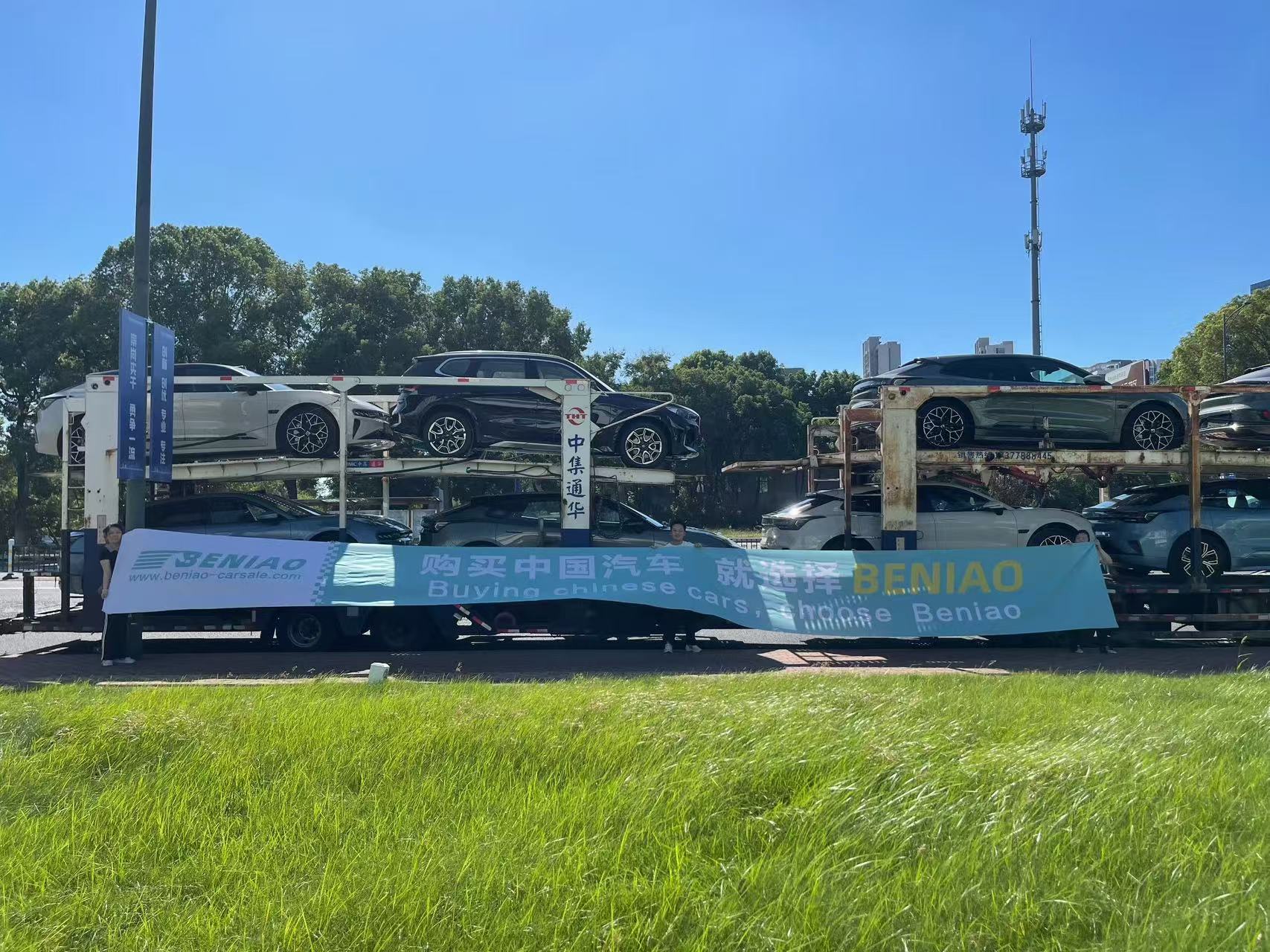
If you’re a car dealer, importer, or fleet buyer searching for better margins, you’ve probably asked yourself one critical question: Is buying used cars from China really worth it?
With global vehicle prices rising, supply chains tightening, and profit margins shrinking, more B2B buyers are turning their attention to China’s used car market. From Africa and the Middle East to Central Asia and South America, Chinese used vehicles are quietly reshaping international auto trade.
But is it truly a smart move—or a risky gamble?
This full buyer’s guide breaks down everything B-end buyers need to know: pricing, quality, risks, export processes, and how professional exporters like Beniao Used Car Shop help overseas dealers buy with confidence.
Let’s get into it.
![used car china]()
Why Global Dealers Are Looking at Used Cars from China
Over the past five years, China has transformed from a car-importing country into one of the world’s most competitive used car export hubs.
The simple reason? Economics.
Domestic competition in China is intense
Vehicle depreciation is fast
EV adoption is accelerating
Government policies support used car circulation and export
Many B2B buyers report 20–40% higher margins compared to sourcing from traditional markets like Japan, Europe, or local auctions.
What Makes Used Cars from China So Competitive?
1. Price Advantage That’s Hard to Ignore
China’s used car prices are significantly lower than many global markets due to:
High new-car production volume
Frequent model updates
Rapid consumer upgrades (especially EVs)
Strong domestic competition
For example, a 3–5-year-old sedan or compact SUV sourced from China often costs 30–50% less than the same segment in other export countries.
For dealers, that difference is profit.
2. A Massive Selection Across All Segments
China doesn’t just export one type of used vehicle. The selection is broad and flexible:
From budget cars for mass markets to newer EVs for urban fleets, buyers can build diverse inventories from a single sourcing country.
3. EV Leadership Creates Unique Opportunities
China is the world’s largest EV market. That means:
Large volumes of used electric cars
Competitive battery health standards
Lower prices than Western EVs
For importers targeting taxi fleets, ride-hailing companies, or urban mobility projects, Chinese used EVs offer a low-entry, high-growth opportunity.
Is Quality a Concern When Buying Used Cars from China?
This is the question most B2B buyers ask—and rightly so.
The truth is simple:
Quality depends entirely on who you buy from.
China’s used car market includes everything from premium fleet vehicles to poorly maintained private cars. The difference is inspection, verification, and exporter responsibility.
How Professional Exporters Reduce Risk
Reputable exporters like Beniao Used Car Shop eliminate uncertainty by implementing strict processes:
Multi-point vehicle inspections
Verified mileage and VIN records
Battery health checks for EVs
Engine, transmission, and chassis evaluation
Export-grade reconditioning
This turns used cars into trade-ready assets, not unknown risks.

Understanding the Used Car Export Process from China
For many overseas dealers, logistics and paperwork feel intimidating. In reality, the process is structured and predictable when handled correctly.
Typical B2B Export Workflow
Vehicle selection (by model, budget, quantity)
Inspection & condition reporting
Price confirmation & contract
Payment & export preparation
Customs clearance & shipping
Arrival at destination port
Experienced exporters manage documentation such as:
This allows importers to focus on sales, not paperwork.
Why More Dealers Choose Beniao Used Car Shop
Not all exporters are equal. What separates Beniao Used Car Shop from trading platforms or brokers is end-to-end accountability.
1. Dealer-Focused Sourcing
Beniao works directly with:
Vehicles are selected based on resale potential, not just availability.
2. Transparent Pricing Structure
No hidden fees. No vague “FOB surprises.”
Buyers receive clear cost breakdowns covering:
Vehicle price
Export preparation
Documentation
Logistics options
This transparency builds long-term partnerships, not one-time deals.
3. Flexible Volume Options
Whether you’re importing:
1–2 test vehicles
A mixed container
Bulk monthly shipments
Beniao scales with your business.
Which Markets Benefit Most from Used Cars from China?
Used car exports from China perform especially well in:
Africa
Middle East
Central Asia
South America
Price-sensitive markets
Increasing EV policies
Profit Potential: What Dealers Can Expect
While margins vary by country and model, many B2B buyers report:
15–25% net margins on gasoline vehicles
20–40% margins on used EVs
Faster inventory turnover due to competitive pricing
Lower acquisition costs mean you can price aggressively without sacrificing profit.
Common Mistakes B2B Buyers Should Avoid
Even though the opportunity is real, mistakes can be costly.
Mistake 1: Buying Without Inspection
Photos alone are not enough. Always demand verified condition reports.
Mistake 2: Choosing Price Over Process
The cheapest exporter often becomes the most expensive mistake.
Mistake 3: Ignoring Local Import Rules
Each country has age limits, emission rules, and tax structures.
Professional exporters help you avoid all three.
Is Buying Used Cars from China Worth It?
For B-end buyers, the answer is clear:
Yes—if you work with the right partner.
China offers:
With a trusted exporter like Beniao Used Car Shop, the risks are controlled, the process is smooth, and the upside is substantial.
Final Thoughts: Turning Opportunity into Long-Term Profit
Buying used cars from China isn’t a trend—it’s a strategic shift in global auto trade.
Dealers who move early gain:
If you’re serious about expanding your sourcing channels, improving profitability, and staying competitive, used cars from China are absolutely worth it.
And with Beniao Used Car Shop as your export partner, you’re not just buying vehicles—you’re building a scalable supply chain.